
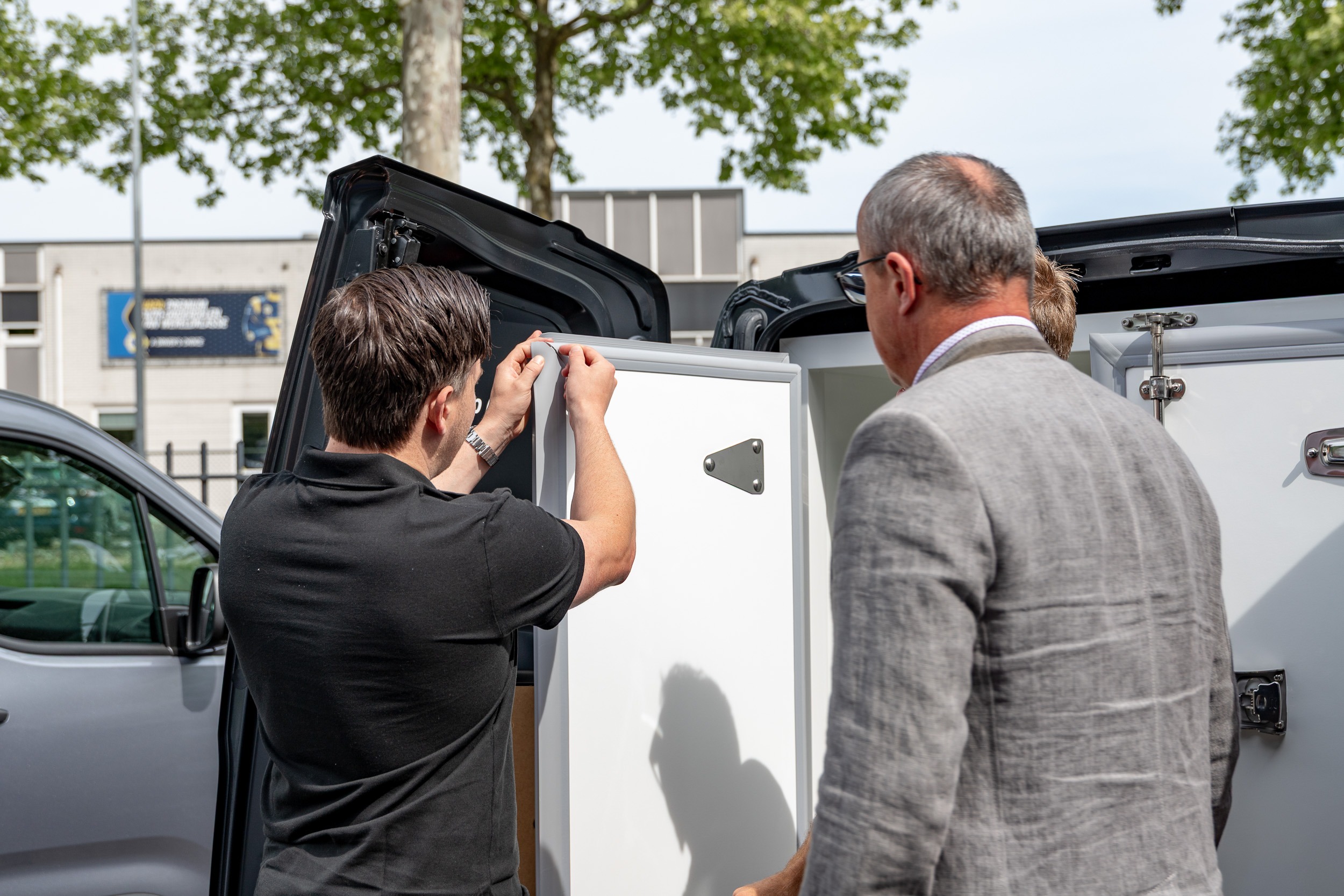
The right solution depends on how products actually move through your operation and where temperature risks occur throughout the journey. Key factors include temperature specifications and tolerances, payload characteristics, route profiles, ambient conditions, operational procedures, vehicle constraints, monitoring requirements, regulatory compliance, maintenance demands, fleet composition, scalability needs, and total cost of ownership including energy, maintenance, product loss and downtime.
Understanding your temperature and payload requirements
Beyond basic temperature range, whether chilled, frozen, heated or multi-zone, consider permitted deviations and product sensitivity to excursions. Different payloads behave differently: fresh produce generates heat, frozen goods require sustained cold, pharmaceuticals have narrow tolerance windows. Volume and thermal mass determine whether passive insulation suffices or active refrigeration becomes necessary.
Mapping your operational reality
Route duration and stop frequency create different challenges: one two-hour delivery differs fundamentally from eight stops over a full day, with each door opening releasing cold and admitting warmth. Factor in loading times, handovers, temporary storage periods, ambient conditions including summer heat and seasonal extremes. This operational rhythm determines whether you need continuous active cooling, strategically timed energy input, or well-designed passive protection.
Working within vehicle and infrastructure constraints
Available cargo space, payload capacity limits, and power supply options create boundaries for your solution. Fleet composition and expected changes matter: equipment that fits only certain vehicles limits flexibility. Scalability is essential: can your solution adapt as routes evolve or volumes change without requiring entirely new investment?
Meeting compliance, monitoring and operational standards
Your equipment must support required monitoring, traceability and documentation whether under GDP, food safety regulations or internal protocols. Consider practical operational demands: cleaning protocols, maintenance requirements, ease of use for drivers, and potential downtime for servicing.
Calculating true cost of ownership
Purchase price is one component; energy consumption, ongoing maintenance, impact on fuel economy and payload capacity, potential product loss from failures, and downtime all contribute to total cost. Sometimes higher initial investment in robust equipment with lower operating costs proves more economical over the lifespan. The goal is matching capability to genuine need.
Choosing between active, passive and hybrid approaches
These factors collectively determine whether your operation needs active refrigeration, passive insulation, or a hybrid combining both. The right choice follows from understanding your specific transport process, with standard configurations for common use cases and custom solutions when unusual constraints demand them.
At VebaBox, investment decisions start with understanding the customer’s process and challenges rather than leading with product specifications. This approach avoids paying for unneeded capacity or customisation, and keeps the solution matched to both temperature requirements and daily operational reality.
You might also be interested in
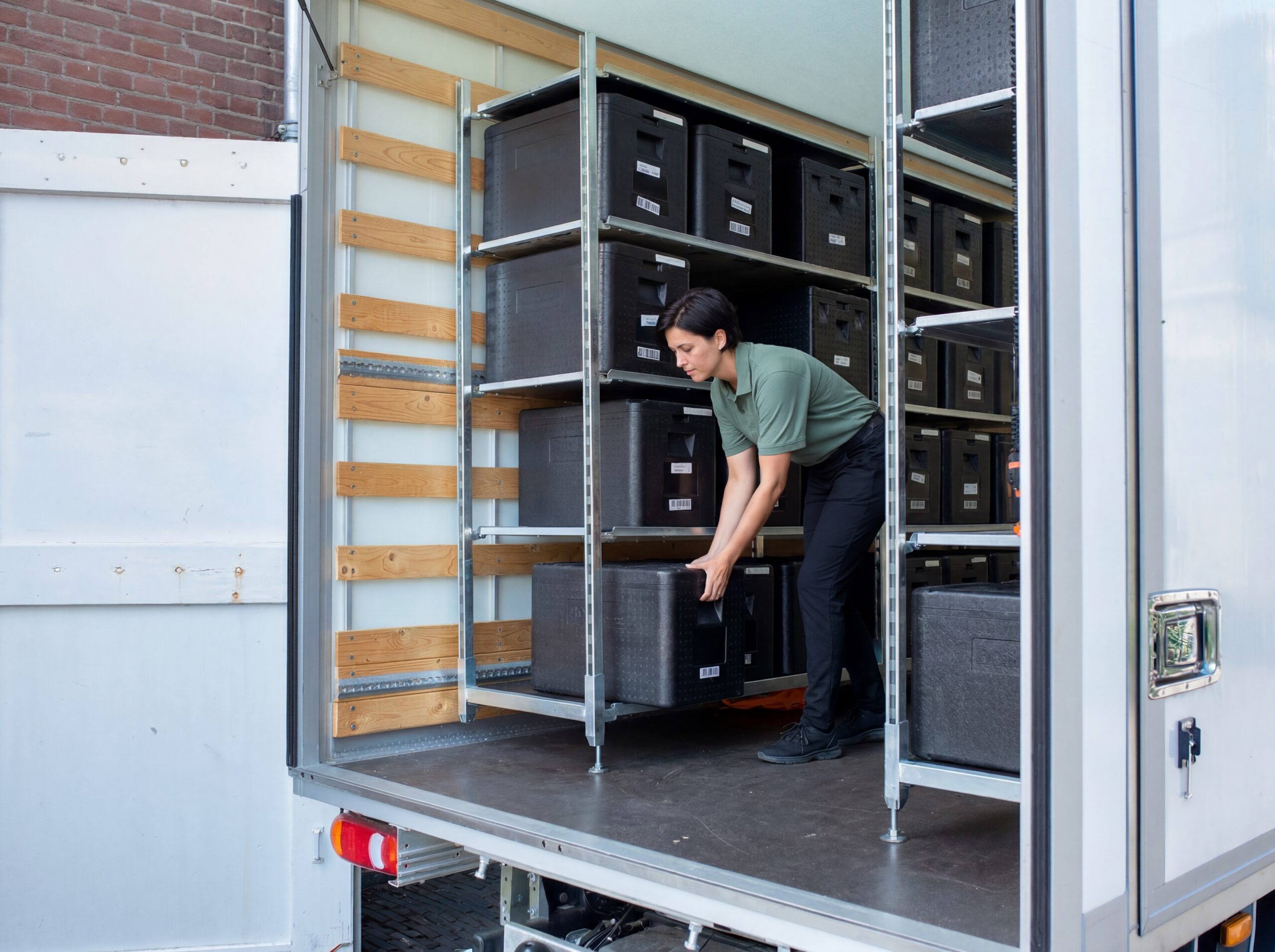
Carrying multi-temperature goods on one route
How can a delivery vehicle carry chilled, frozen and ambient products on the same route? A delivery vehicle can carry chilled, frozen and ambient products on the same route by using separate temperature-controlled compartments or boxes. This approach creates independent thermal conditions around each product group, allowing different temperature zones to coexist in a single vehicle without requiring the entire load space to operate at one fixed temperature.
Read more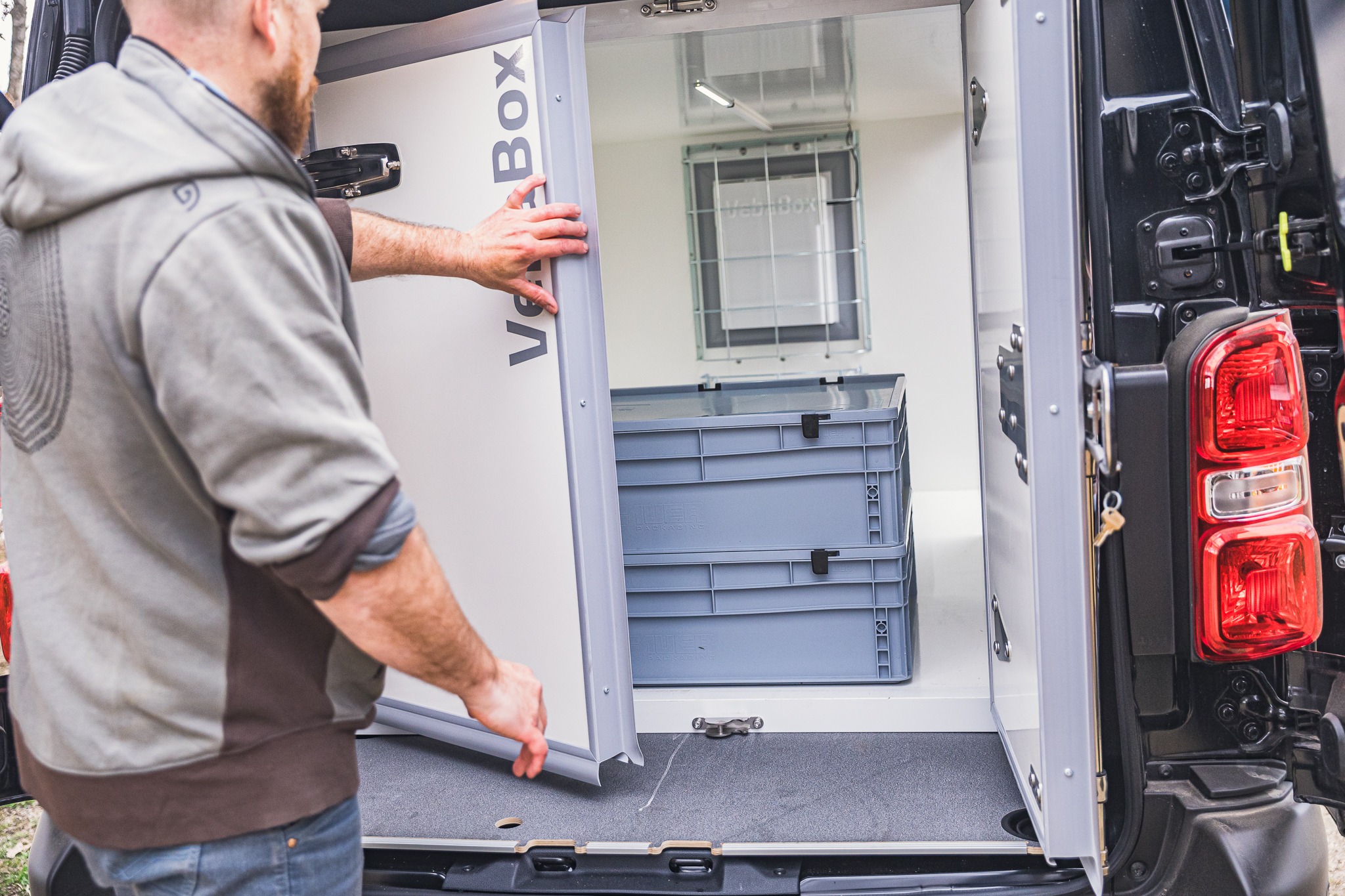
The alternative to the refrigerated van
What is the best alternative to a refrigerated van for local food and beverage deliveries? The best alternative to a refrigerated van for local food and beverage deliveries is a removable temperature-controlled box system that conditions the cargo space itself rather than the entire vehicle. Active systems with powered refrigeration suit recurring routes with frequent door openings and multiple stops, while passive systems using insulation and and cooling plates work well for shorter journeys and smaller consignments. Both allow a standard van or car to carry chilled or frozen products on one round and other goods on the next, eliminating the need for dedicated refrigerated vehicles when volumes and product types vary.
Read more
Add transport capacity without converting a vehicle
How can laboratories add temperature-controlled transport capacity without converting an entire vehicle? Laboratories can install removable, cargo-focused temperature-control systems in conventional vans or other suitable vehicles. Rather than conditioning the entire load space, these systems control the smaller environment immediately around the samples, allowing standard fleet vehicles to transport temperature-sensitive material without permanent refrigeration conversion.
Read more