
 Nederlands
 Redesign the process around the cargo
The best way to make a cold-chain delivery operation more flexible is to map every stage before selecting equipment. Start where temperature control begins and finish where responsibility for the shipment ends.
For each stage, record:
- the cargo and its required temperature range
- shipment size and packaging arrangement
- journey and storage duration
- expected ambient temperatures
- loading time and number of door openings
- transfer, waiting and handover points
- available vehicle or mains power
- vehicle types and usable cargo space
- cleaning, segregation and traceability requirements
This map often shows that the whole vehicle does not need temperature control. A shipment may spend two hours in a van but another four hours waiting at a depot or clinical site. Refrigerating the van addresses only one part of that process.
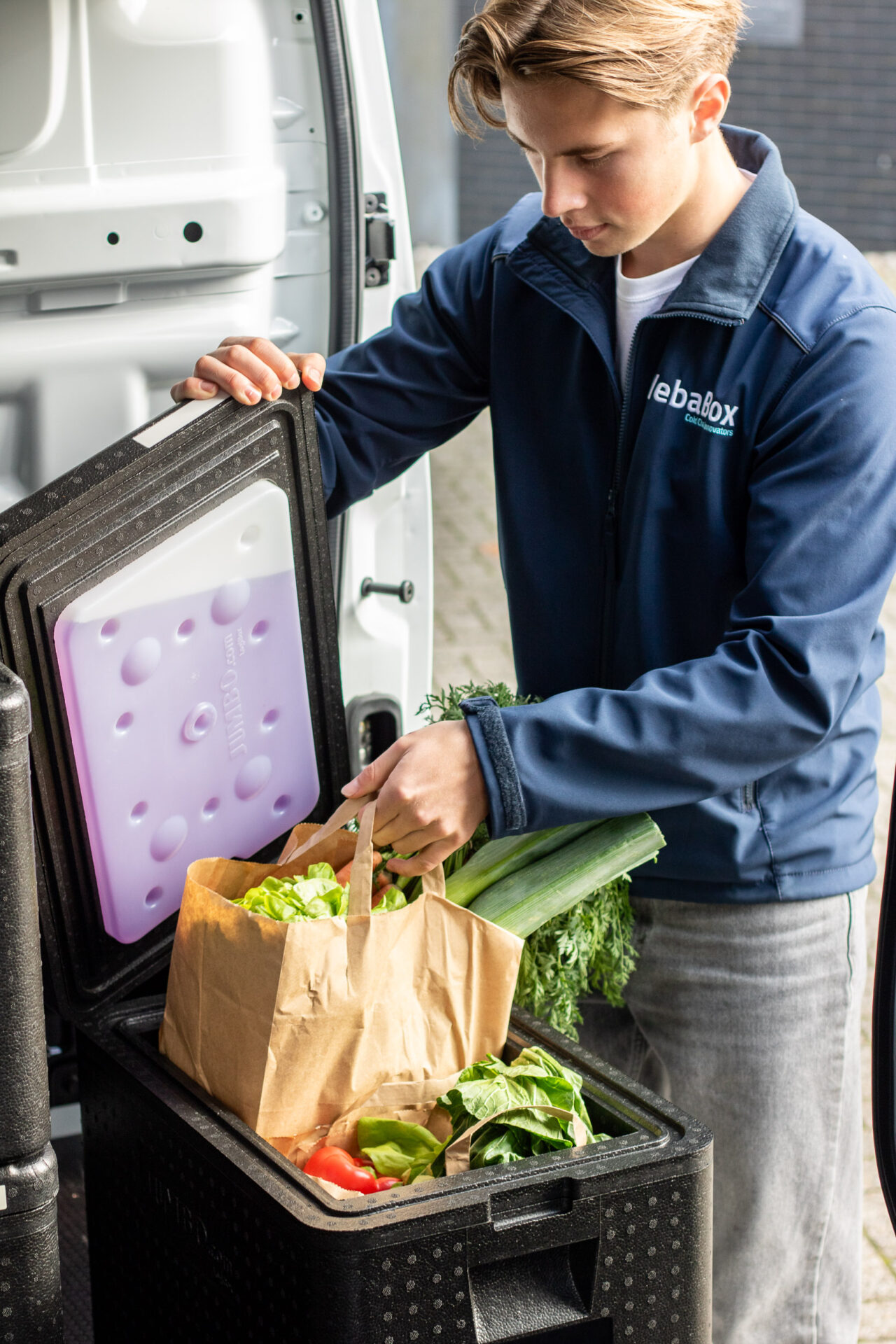
Applying temperature control around the cargo can make the process less dependent on a specific vehicle. A removable system can also move between vehicles or leave the vehicle available for non-refrigerated work.
Separate the temperature task from the vehicle task
Traditional refrigerated vehicles remain suitable for full loads, fixed routes and operations where most of the cargo requires the same conditions. They are less adaptable when loads are small, temperatures differ within one route or demand changes by day.
Cargo-level temperature control separates two decisions. You can choose a vehicle for payload, route access and operating cost, then select temperature-control equipment for the shipment itself.
This approach can support mixed loads because only the temperature-sensitive portion needs a controlled space. It can also reduce the need to dedicate a vehicle to refrigerated work. The result depends on the box size, weight, power requirement and loading method, so these factors must be checked against the vehicle rather than assumed.
Choose active, passive or hybrid control from the route conditions
The cooling method should follow the operation.
Active temperature control
An active system uses power to cool, freeze or heat the controlled cargo space. It suits repeated delivery routes, longer operating periods and applications that require continuous conditioning.
VebaBox Active connects to a vehicle’s 12V supply or a 230V source. It conditions the cargo space rather than the full vehicle and does not require permanent structural conversion. Before choosing an active system, check the required setpoint, heat load, stop pattern, door openings and available power in every operating phase, including loading and stationary periods.
Passive temperature control
A passive system uses insulation and pre-conditioned thermal elements instead of a live power connection. It suits handovers, temporary storage, multimodal movements and routes where power is unavailable or would complicate the process.
Passive performance is configuration-specific. The cargo temperature at loading, thermal element conditioning, payload, ambient profile and opening frequency all affect how long the required range can be maintained. A validated duration for one configuration should not be applied to a different route or payload without testing.
Hybrid temperature control
Some processes need both methods. Active cooling may condition the cargo during a vehicle route, while passive control protects it during a handover or unpowered final stage. A hybrid design should have clear responsibility at each transition, with defined loading conditions and temperature-monitoring points.
Assess the full operation before investing
Equipment price is only one part of the investment. Review the following factors before selecting temperature-controlled transport equipment.
Thermal performance
Define the product temperature range and maximum permitted excursion. Assess pull-down or warm-up needs, ambient conditions, journey time, door openings and how the cargo is packed. Ask what test conditions support any performance claim.
Fleet fit
Check internal vehicle dimensions, payload limits, loading access, mounting method and power supply. For electric vehicles, measure the selected system’s energy use under representative conditions and calculate its effect on route range. Do not rely on a figure from a different vehicle, ambient profile or cooling duty.
Process fit
Include pre-conditioning, loading, handovers, cleaning, storage and return logistics. A system that performs well in transit can still fail if thermal elements are conditioned incorrectly or doors remain open during loading.
Validation and monitoring
Decide where sensors will sit, how often they record and who reviews alarms or excursions. Test the intended configuration with representative cargo and operating conditions. Validation should cover the route’s demanding conditions, not only a controlled indoor trial.
Lifecycle cost
Compare purchase, installation, energy, maintenance, calibration, downtime and replacement costs. Include vehicle utilisation. Removable equipment may let one vehicle perform refrigerated and general transport work at different times, which can change the fleet requirement.

At VebaBox, we begin with the operational challenge. We analyse the cargo, required temperature range, route, payload, handling moments, fleet and available power before considering an Active, Passive, hybrid, standard or custom configuration.
Ask VebaBox to assess your cold-chain process and define the right test plan for your operation.
You might also be interested in
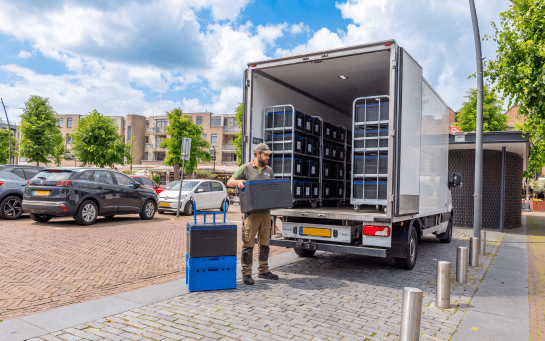
Hoe kies je tussen actieve en passieve koeling voor temperatuurgecontroleerd transport
De keuze tussen actieve en passieve koeling begint met een praktische vraag. Wat moet je lading tijdens de daadwerkelijke rit binnen het bereik houden?
Read more How to choose active or passive cooling for temperature-controlled transport
Choosing between active and passive cooling starts with a practical question. What must keep your cargo within range during the actual journey?
Read more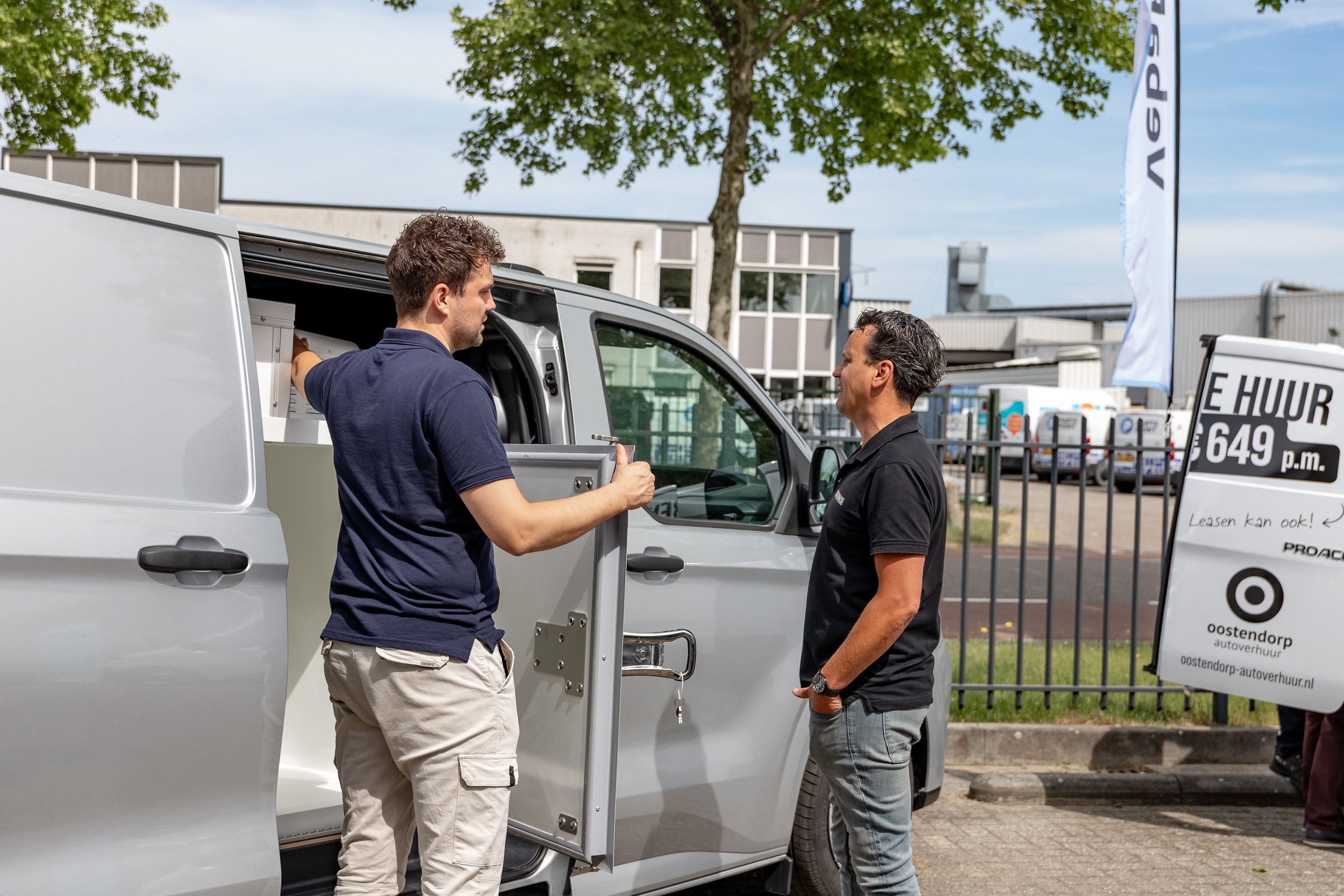
De cold chain opnieuw bekeken
Je cold chain controleert mogelijk meer ruimte dan de lading vereist. Dat kan betekenen dat je betaalt voor toegewijde gekoelde voertuigen terwijl slechts een deel van de lading een bepaald temperatuurbereik nodig heeft. Een beter ontwerp begint bij het product, de route en het verwerkingsproces. De vraag is niet of elk voertuig koeling nodig heeft. Het gaat erom waar temperatuurcontrole moet gelden, hoe lang en onder welke omstandigheden.
Read more