
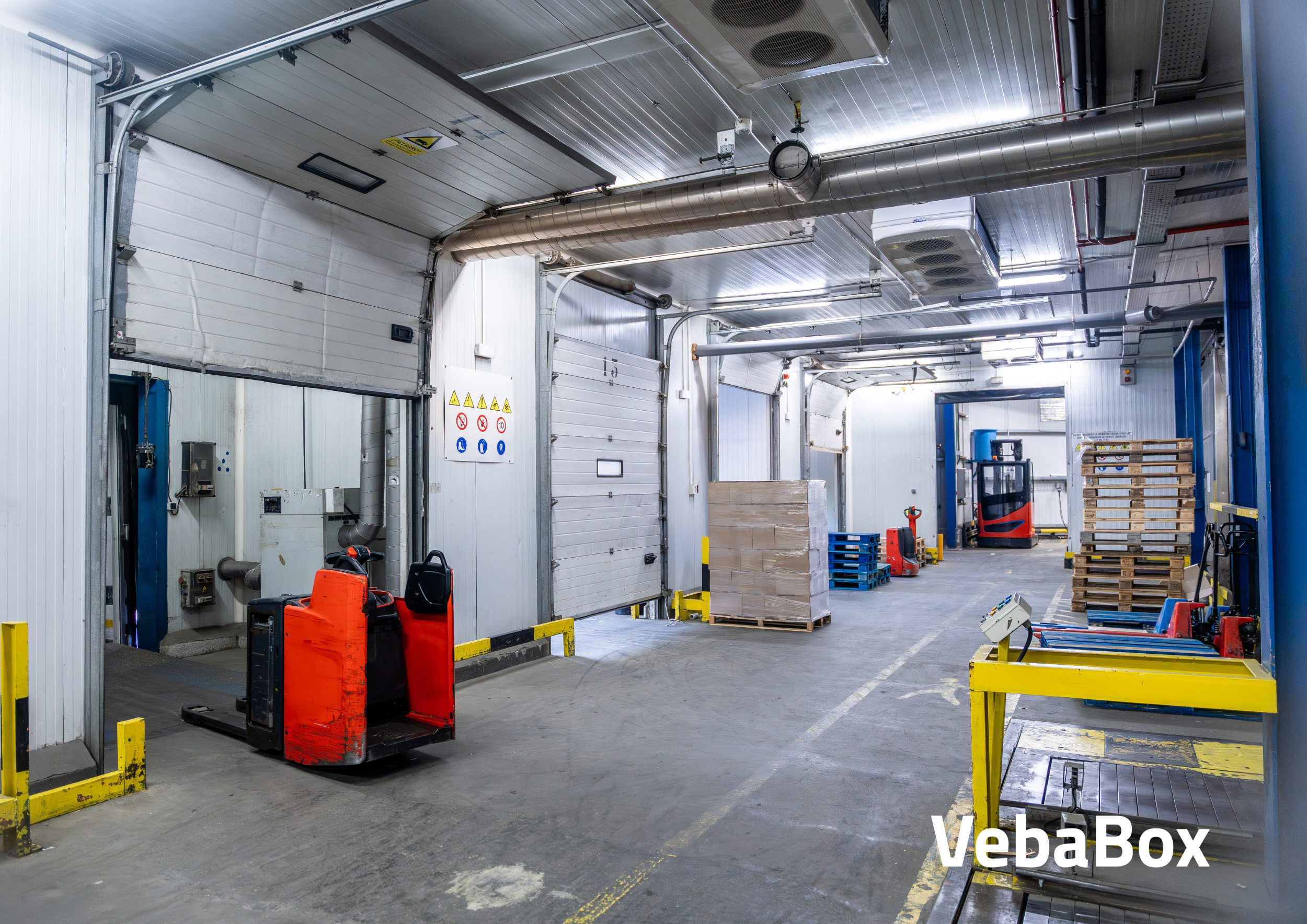
Traditional refrigerated vans add two more causes of their own: a refrigeration unit failing mid-route, and extended loading or unloading at depots. Passive cool boxes using dry ice or without proper cooling elements/plates (PCM) technology lose temperature fastest, particularly on longer routes.
The root causes, one by one
Most temperature excursions trace back to predictable failures in thermal management.
Inadequate insulation allows heat transfer through the walls of the cool box or vehicle body. Thin or poorly specified insulation materials cannot resist the thermal gradient between cargo and ambient air, especially in extreme weather. The temperature inside drifts toward the outside temperature.
Frequent door openings flood the cargo space with warm air. Without sufficient temperature recovery capacity, the system cannot pull the internal environment back to target quickly enough before the next opening. Each delivery stop compounds the problem.
External temperature extremes, whether summer heat or winter cold, overwhelm passive systems that rely solely on insulation and limited thermal mass. When ambient conditions push beyond design parameters, passive solutions cannot maintain the required range.
Poor air circulation creates hot or cold spots within the cargo area. Uneven distribution means some products sit outside specification even when average temperature appears acceptable. Stacked loads, blocked vents, or inadequate airflow design all contribute.
Insufficient cooling power for cargo volume is a sizing problem. A cooling system matched to a half-loaded vehicle will struggle when fully packed, or when carrying high thermal mass products that demand more energy to maintain temperature.
Refrigeration unit failures in traditional vans leave cargo unprotected. Mechanical breakdowns, electrical faults, or fuel supply issues can happen mid-route, with no backup to bridge the gap.
Loading and unloading at depots exposes cargo to ambient conditions during handling. The longer products sit outside controlled temperature, the greater the risk of deviation, particularly for systems without rapid recovery capability.
How VebaBox addresses these causes
VebaBox Active addresses these causes with rapid temperature recovery, consistent cooling power regardless of external conditions, and insulation engineered specifically for commercial vehicle environments. The system pulls temperature back to specification quickly after door openings, maintains performance in extreme heat or cold, and delivers cooling power matched to real-world delivery patterns and cargo volumes.
VebaBox Passive uses advanced insulation (EPP and VIP) and cooling plate (PCM) technology to hold stable temperatures through extended transport without power. The phase change materials absorb and release thermal energy at precise target temperatures, creating a buffer against external fluctuations and door openings. This removes the deviations caused by inadequate thermal management in unpowered environments, maintaining the required range from loading through final delivery.
Both approaches are designed for the specific demands of commercial transport: variable route lengths, multiple stops, mixed cargo, and the compliance requirements of food safety and pharmaceutical cold chain standards.
Maintaining cold chain integrity
Temperature deviations stem from known, addressable causes in thermal management and system design. The fix is a cooling solution built for the transport and delivery environment you operate in.
You might also be interested in
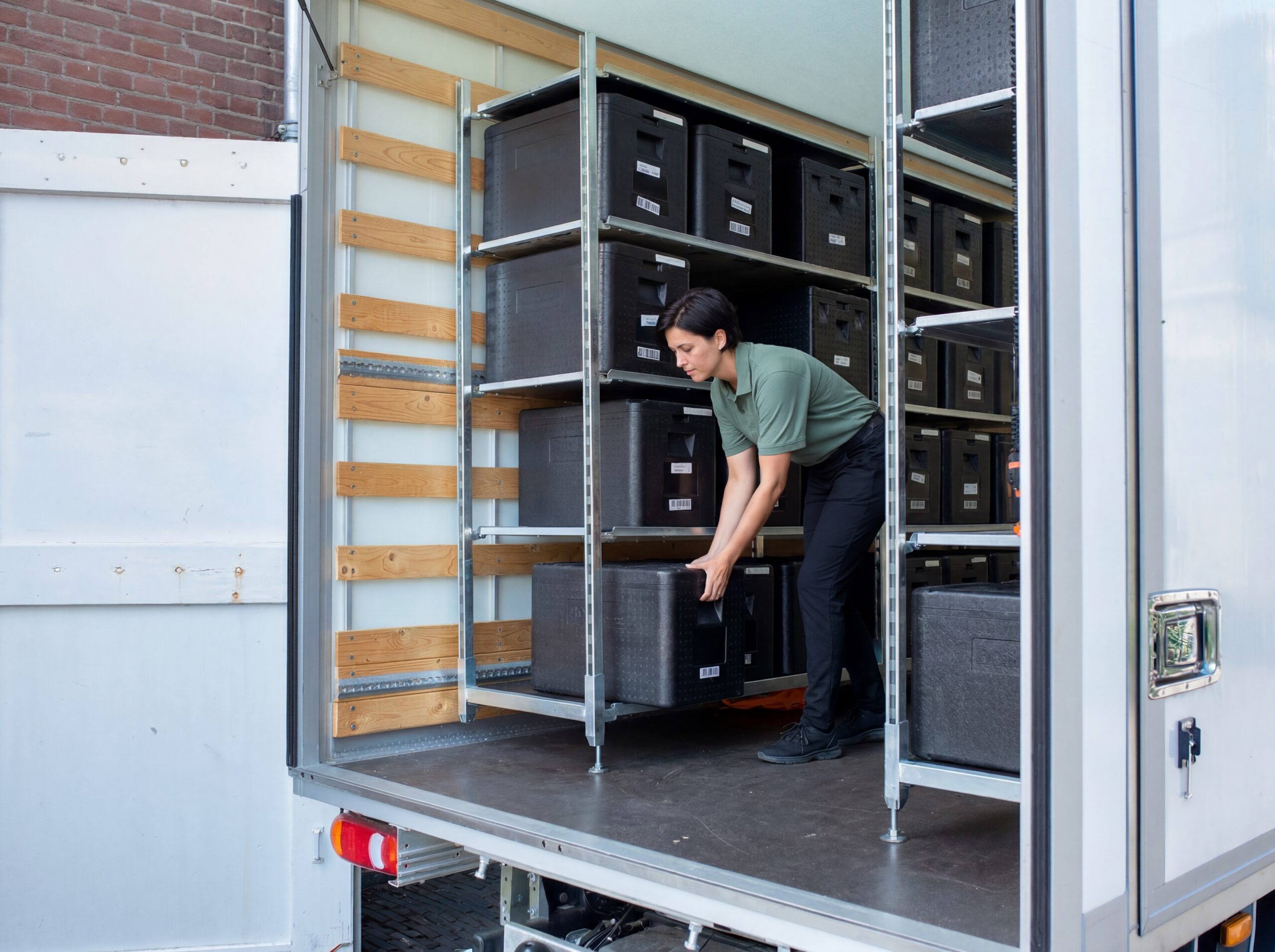
Carrying multi-temperature goods on one route
How can a delivery vehicle carry chilled, frozen and ambient products on the same route? A delivery vehicle can carry chilled, frozen and ambient products on the same route by using separate temperature-controlled compartments or boxes. This approach creates independent thermal conditions around each product group, allowing different temperature zones to coexist in a single vehicle without requiring the entire load space to operate at one fixed temperature.
Read more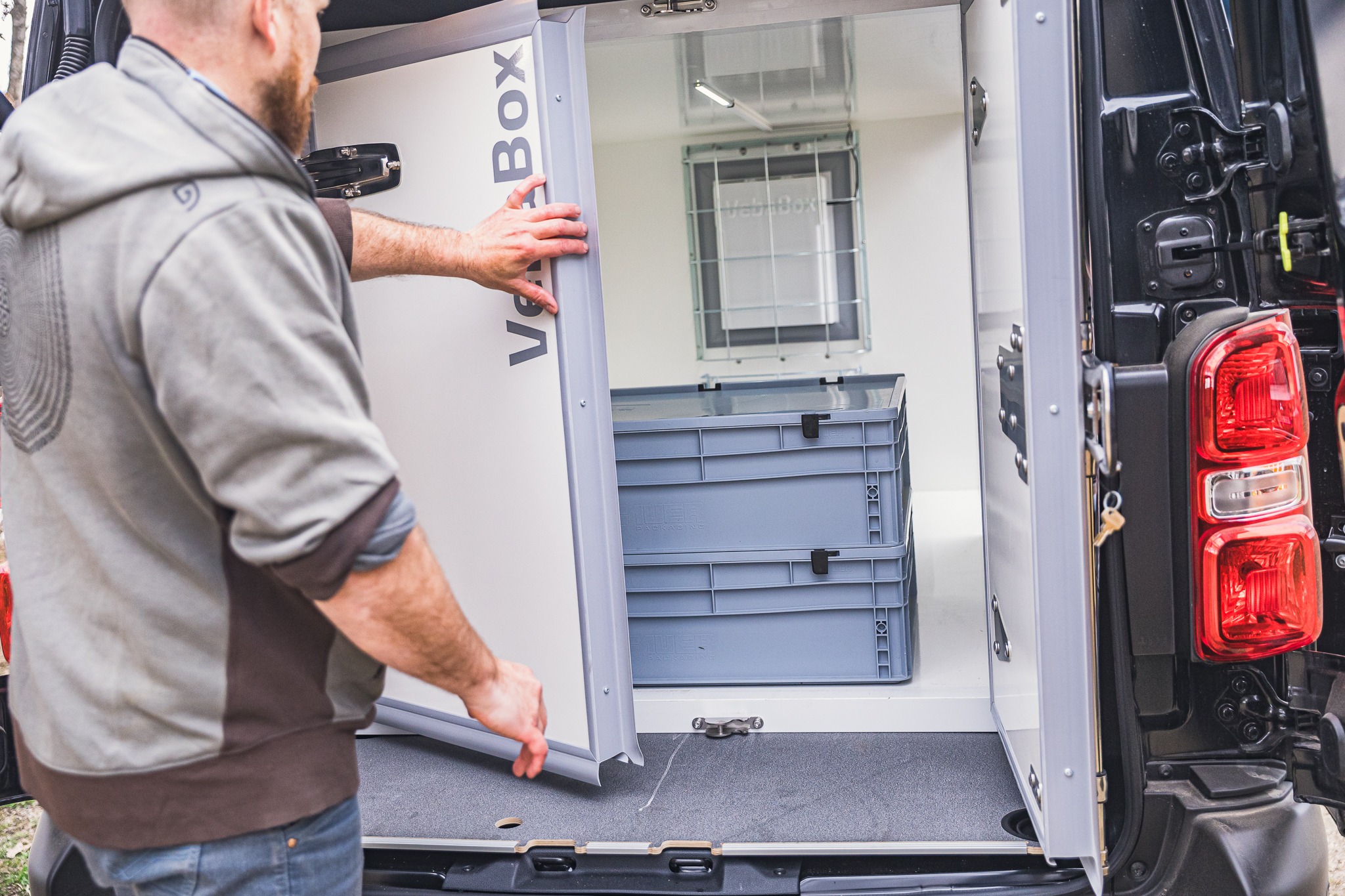
The alternative to the refrigerated van
What is the best alternative to a refrigerated van for local food and beverage deliveries? The best alternative to a refrigerated van for local food and beverage deliveries is a removable temperature-controlled box system that conditions the cargo space itself rather than the entire vehicle. Active systems with powered refrigeration suit recurring routes with frequent door openings and multiple stops, while passive systems using insulation and and cooling plates work well for shorter journeys and smaller consignments. Both allow a standard van or car to carry chilled or frozen products on one round and other goods on the next, eliminating the need for dedicated refrigerated vehicles when volumes and product types vary.
Read more
Add transport capacity without converting a vehicle
How can laboratories add temperature-controlled transport capacity without converting an entire vehicle? Laboratories can install removable, cargo-focused temperature-control systems in conventional vans or other suitable vehicles. Rather than conditioning the entire load space, these systems control the smaller environment immediately around the samples, allowing standard fleet vehicles to transport temperature-sensitive material without permanent refrigeration conversion.
Read more